


Introduction
The Game retailer administration collapse has become one of the biggest stories in the retail and gaming sectors. Thousands of customers, employees, suppliers, and industry observers are trying to understand what happened, why the business entered administration, and what the consequences could be for physical game retail.
Retail businesses across many countries have struggled in recent years due to changing consumer habits, rising operating costs, inflation, online competition, and the growing popularity of digital game downloads. Against this challenging backdrop, reports of a well-known game retailer entering administration have raised important questions about the future of traditional gaming stores.
This guide explains the situation in clear language. You’ll learn what administration means, the factors that often lead retailers into financial distress, how customers may be affected, what happens to employees and suppliers, and what the broader implications are for the gaming industry. Where information has been publicly confirmed, it is presented as such. Where details remain unverified or unavailable, that is clearly noted.
What is the Game retailer administration collapse?
The Game retailer administration collapse refers to a retailer entering administration after experiencing serious financial difficulties. Administration is a legal process intended to protect a business from creditors while an appointed administrator explores options such as restructuring, selling the business, or winding it down if recovery is not possible.
What Does Administration Mean?
Administration is a formal insolvency procedure designed to give a financially distressed company temporary protection from creditor action while licensed insolvency professionals assess the best way forward.
The administrator’s objectives usually include:
- Attempting to rescue the company as a going concern
- Achieving a better outcome for creditors than immediate liquidation
- Selling parts or all of the business
- Preserving jobs where possible
- Maximizing value from company assets
Importantly, administration does not automatically mean that a company has permanently closed. Some businesses continue trading while administrators evaluate restructuring or sale options.
Understanding the Game Retailer Administration Collapse
The reported administration highlights the difficult environment facing many brick-and-mortar retailers. Although each administration has its own specific circumstances, several recurring pressures have affected retail businesses in recent years:
- Higher rent and property expenses
- Rising employee wages
- Increased energy costs
- Supply chain disruptions
- Inflation affecting consumer spending
- Competition from online marketplaces
- Growth of digital game downloads and subscriptions
Together, these factors can reduce profitability and make it harder for retailers to sustain large physical store networks.
Key Facts at a Glance
| Topic | Information |
| Industry | Video game retail |
| Main Issue | Financial distress leading to administration |
| Primary Goal of Administration | Rescue, restructuring, sale, or orderly wind-down |
| Customer Concern | Orders, gift cards, warranties, and returns may be affected depending on administrator decisions |
| Employee Concern | Jobs may be reviewed during restructuring |
| Supplier Concern | Outstanding payments become part of the insolvency process |
Timeline of the Reported Events
Although administrators may release additional information over time, the publicly reported sequence generally follows this pattern:
- Increasing financial pressure on the retailer.
- Reports of operational difficulties.
- Appointment of administrators.
- Review of company finances and assets.
- Assessment of restructuring or sale opportunities.
- Decisions regarding stores, employees, and future operations.
If administrators issue further updates, the timeline may change as new verified information becomes available.
Why This Story Matters
The administration of a prominent game retailer is significant because it reflects broader changes across the retail industry.
Several long-term trends have reshaped how people buy games:
- Digital storefronts have become more popular.
- Subscription gaming services have expanded.
- Consumers increasingly shop online.
- Physical media sales have declined in many markets.
- Retail operating costs continue to rise.
These shifts create challenges even for established retailers with well-known brands.
Factors Contributing to Retail Financial Pressure
1. Digital Downloads
Millions of gamers now purchase games directly through digital platforms rather than visiting physical stores. This reduces foot traffic and limits opportunities for retailers to sell additional products.
2. Online Competition
E-commerce platforms often compete aggressively on price, convenience, and delivery speed, making it difficult for traditional retailers to match customer expectations.
3. Higher Operating Costs
Retailers face increasing expenses for:
- Rent
- Utilities
- Payroll
- Insurance
- Inventory management
- Logistics
Even modest declines in sales can become difficult to absorb when operating costs continue rising.
Why Did the Game Retailer Enter Administration?
Understanding the Game retailer administration collapse requires looking beyond a single event. Retail businesses rarely enter administration because of one problem alone. Instead, a combination of financial, operational, and market pressures usually builds over time until the company can no longer meet its obligations.
Below are the most common factors that contribute to a retailer entering administration and why they matter in today’s gaming industry.
Rising Operating Costs Put Pressure on Retailers
One of the biggest challenges for physical retailers is the steady increase in operating expenses. Even businesses with loyal customers can struggle when costs rise faster than revenue.
Major expenses include:
- Commercial rent
- Employee salaries and benefits
- Energy and utility bills
- Insurance
- Distribution and logistics
- Inventory management
- Technology and payment processing
When these costs continue to increase, retailers must either raise prices, improve efficiency, or absorb the additional expense. If sales fail to keep pace, profitability can decline quickly.
Expert Insight
Retail businesses with extensive store networks are generally more exposed to rising fixed costs than online-only retailers because they must maintain physical locations regardless of daily sales volume.
The Shift Toward Digital Gaming
Over the past decade, the gaming industry has experienced a significant shift from physical game discs to digital downloads.
Many players now purchase games directly through online stores, allowing them to download titles instantly without visiting a retail location.
Common reasons gamers choose digital purchases include:
- Immediate access after purchase
- Automatic updates
- Digital libraries accessible across devices
- Frequent online promotions
- Convenience of shopping from home
As digital sales increase, demand for boxed games has declined in many markets, reducing an important revenue stream for traditional game retailers.
Increased Competition From Online Retailers
Physical game stores now compete with numerous online businesses offering competitive pricing, fast delivery, and extensive product selection.
Consumers often compare prices before making a purchase, and even small differences can influence buying decisions.
Online retailers may benefit from:
- Lower overhead costs
- Centralized warehouses
- Automated inventory systems
- Broader geographic reach
- Personalized recommendations
This competitive landscape makes it increasingly difficult for traditional retailers to maintain market share.
Changes in Consumer Spending
Economic uncertainty can influence how consumers prioritize their spending.
Gaming remains a popular form of entertainment, but discretionary purchases may decline when households face higher living expenses.
Consumers may choose to:
- Delay purchasing newly released games
- Wait for seasonal discounts
- Buy fewer accessories
- Purchase second-hand games
- Subscribe to gaming services instead of buying individual titles
These behavioral changes can reduce store revenue over time.
Subscription Gaming Services Continue to Grow
Subscription-based gaming has become increasingly popular, providing players with access to large game libraries for a recurring monthly fee.
Examples include:
- Cloud gaming services
- Multi-game subscription platforms
- Console membership programs
Rather than purchasing multiple new physical games each year, many players now rely on subscriptions that offer hundreds of titles in one package.
This trend has altered purchasing habits across the gaming industry.
Supply Chain Challenges
Retailers depend on efficient supply chains to keep products available during major game launches and holiday shopping seasons.
Challenges may include:
- Shipping delays
- Manufacturing disruptions
- Inventory shortages
- Increased freight costs
- Delayed hardware deliveries
Even temporary disruptions can reduce sales opportunities during peak demand periods.
Changing Customer Expectations
Today’s consumers expect a seamless shopping experience across both physical and digital channels.
Customers increasingly value:
- Fast delivery
- Click-and-collect services
- Online stock availability
- Flexible return policies
- Competitive pricing
- Loyalty rewards
- Mobile shopping convenience
Retailers that cannot adapt quickly may lose customers to more agile competitors.
How Does Administration Work?
Many people mistakenly believe administration means a company has immediately gone out of business. In reality, administration is a structured legal process designed to give financially distressed businesses an opportunity to stabilize while protecting creditors’ interests.
Typical Administration Process
| Stage | What Happens |
| Financial difficulties | The company faces serious financial challenges. |
| Administrator appointed | A licensed insolvency practitioner takes control of the business. |
| Business review | Assets, liabilities, contracts, and operations are evaluated. |
| Restructuring options | The administrator explores rescue plans, investment, or asset sales. |
| Creditor engagement | Creditors are informed and consulted under insolvency rules. |
| Final outcome | The company may be sold, restructured, or, if no viable solution exists, wound down. |
Possible Outcomes After Administration
Every administration case is different, but the possible outcomes generally include:
Business Rescue
If the business remains viable, operations may continue after restructuring.
Potential actions include:
- Closing underperforming stores
- Reducing operating expenses
- Renegotiating leases
- Improving inventory management
- Securing new investment
Sale to Another Company
Another retailer or investor may acquire the business or selected assets.
A sale can help preserve:
- Jobs
- Brand recognition
- Customer relationships
- Store locations
- Supplier agreements
Asset Sales
If the business cannot continue operating, administrators may sell assets such as:
- Inventory
- Equipment
- Intellectual property
- Store fixtures
- Warehousing assets
The proceeds are typically used to repay creditors according to insolvency law.
Closure
If no financially viable solution can be found, some or all business operations may cease.
This outcome may involve:
- Permanent store closures
- Employee redundancies
- Liquidation of remaining stock
- Termination of supplier contracts
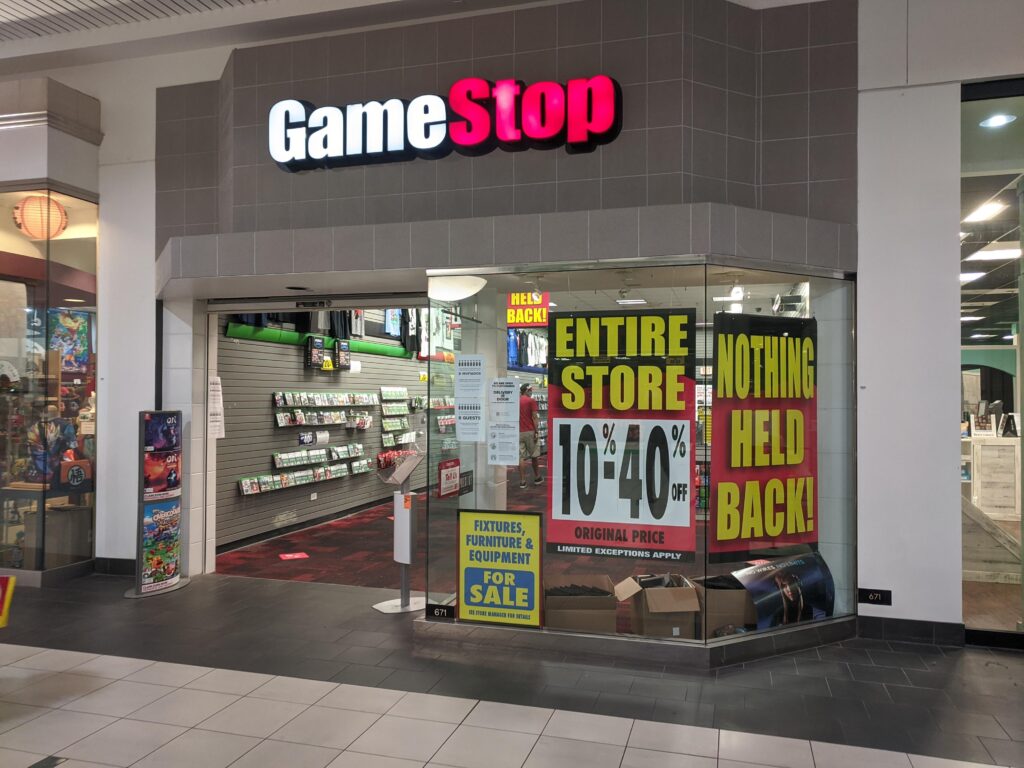
How Could Customers Be Affected?
One of the first concerns following the Game retailer administration collapse is how it may impact customers. The exact outcome depends on decisions made by the appointed administrators and the specific circumstances of the business.
Potential areas affected include:
Existing Orders
Orders may:
- Continue as planned
- Be delayed
- Be canceled if fulfillment is not possible
Customers should monitor official communications regarding their purchases.
Gift Cards
Gift card acceptance varies during administration.
Depending on the administrator’s decision, gift cards may:
- Continue to be accepted
- Be accepted for a limited period
- Be suspended temporarily
- Become subject to insolvency claims
Always check the retailer’s latest official guidance before attempting to redeem a gift card.
Returns and Refunds
Return policies may change during administration.
Customers should review any updated terms announced by the administrators, especially for purchases made shortly before the insolvency process began.
Product Warranties
Manufacturer warranties generally remain separate from a retailer’s financial position.
However, retailer-specific extended warranties or protection plans may be affected depending on how they were structured.
Customers should retain:
- Purchase receipts
- Warranty documentation
- Order confirmations
- Payment records
These documents may be required if warranty or refund claims arise.
Impact of the Game Retailer Administration Collapse on Employees, Suppliers, and the Gaming Industry
The Game retailer administration collapse extends beyond the company itself. It can affect employees, suppliers, landlords, shopping centers, customers, and even competitors. While the exact consequences depend on the administrator’s decisions, understanding the broader impact helps explain why major retail insolvencies receive significant attention.
How Employees May Be Affected
Employees are often among the first groups concerned when a retailer enters administration. Although administration does not automatically result in job losses, administrators usually review staffing levels as part of efforts to stabilize the business.
Possible outcomes include:
- Employees continuing in their current roles while trading continues.
- Staff transferring to a new owner if the business is sold.
- Store closures leading to redundancies.
- Changes to working hours or organizational structure.
Key Employee Considerations
| Area | Possible Impact |
| Employment | May continue during administration |
| Salaries | Typically paid while trading continues, subject to the administration process |
| Benefits | Could change if restructuring occurs |
| Job Security | Depends on the administrator’s long-term plan |
| Future Employment | May improve if the business is successfully sold |
What It Means for Suppliers
Suppliers play a critical role in keeping retail shelves stocked with consoles, games, accessories, collectibles, and merchandise.
When a retailer enters administration, suppliers may experience:
- Delayed payments
- Unpaid invoices
- Reduced purchase orders
- Contract reviews
- Changes to delivery schedules
Many suppliers reassess credit terms until the retailer’s future becomes clearer.
How Creditors Are Involved
Creditors include businesses or organizations that are owed money by the retailer.
They may include:
- Product manufacturers
- Distribution companies
- Commercial landlords
- Marketing agencies
- Utility providers
- Logistics companies
During administration, creditors are informed about the process and may receive updates regarding potential repayments according to insolvency rules.
Impact on Shopping Centers

Many game retailers operate inside shopping malls or retail parks.
If stores close permanently, shopping centers may experience:
- Reduced customer traffic
- Vacant retail uni
- Lower rental income
- Fewer cross-store purchases
- Challenges attracting replacement tenants
For neighboring businesses, reduced foot traffic can also affect daily sales.
Effects on Customers
Customers naturally have questions whenever a retailer enters administration.
Common concerns include:
Outstanding Orders
Customers may wonder whether existing orders will still be delivered.
The outcome depends on:
- Available inventory
- Administrator decisions
- Distribution operations
- Supplier cooperation
Trade-In Programs
Many game retailers offer trade-in services for games and consoles.
During administration:
- Trade-in programs may be paused.
- Values offered could change.
- Promotions may end.
- Credit programs may be reviewed.
Customers should rely on official announcements before visiting a store to use trade-in services.
Loyalty Programs
Retail loyalty schemes may also be affected.
Potential changes include:
- Temporary suspension
- Changes to reward points
- Updated redemption rules
- Program discontinuation
Policies vary depending on how the administration progresses.
How the Gaming Industry Could Be Affected
Although one retailer entering administration does not change the gaming industry overnight, it reflects larger trends that continue to reshape the market.
Major developments include:
- Growth of digital game sales
- Expansion of cloud gaming
- Subscription-based gaming services
- Increasing online shopping
- Declining demand for physical media in many regions
These shifts have encouraged publishers and retailers to rethink how games are sold and distributed.
Physical vs Digital Gaming Retail
| Physical Retail | Digital Distribution |
| Visit a store | Instant download |
| Physical game disc | Digital license |
| Trade-in options | Usually no trade-in |
| Collectible editions | Mostly digital content |
| Limited stock | No physical inventory |
| Face-to-face support | Online customer support |
Neither approach is universally better. Many gamers continue to value physical editions, collector’s items, and in-store experiences, while others prefer the convenience of digital purchases.
Expert Analysis: Why Traditional Game Retail Faces Ongoing Challenges
Industry analysts have identified several long-term trends affecting physical retailers:
1. Digital First Purchasing
Consumers increasingly purchase games through digital storefronts.
2. Subscription Services
Monthly gaming subscriptions reduce the need to buy individual titles.
3. Changing Console Ecosystems
Some modern gaming hardware places greater emphasis on downloadable content and online services.
4. Higher Retail Costs
Inflation, wages, rent, and utilities continue to pressure profit margins.
5. Evolving Consumer Expectations
Customers expect fast delivery, competitive pricing, and seamless online shopping experiences.
Pros and Cons of Physical Game Retail
| Advantages | Challenges |
| Immediate purchases | Higher operating costs |
| Personal customer service | Competition from online stores |
| Trade-in opportunities | Declining physical game sales |
| Collector’s editions | Digital download growth |
| Community engagement | Lower store traffic |
Lessons for Other Retailers
The Game retailer administration collapse highlights several important business lessons.
Successful retailers often focus on:
- Strong omnichannel strategies
- Inventory optimization
- Customer loyalty
- Flexible pricing
- Digital transformation
- Cost management
- Enhanced customer experience
Businesses that adapt more quickly to changing consumer preferences are generally better positioned to navigate a competitive retail environment.
Common Myths About Administration
Myth 1: Administration Means Immediate Closure
Reality: Businesses often continue trading while administrators assess restructuring or sale options.
Myth 2: Every Employee Immediately Loses Their Job
Reality: Employment outcomes depend on the administrator’s plans and whether the business can continue operating or be sold.
Myth 3: Customers Automatically Lose Their Orders
Reality: Some orders may still be fulfilled, but customers should follow official updates for guidance.
Myth 4: Administration Is the Same as Liquidation
Reality: Administration aims to rescue or restructure a business where possible, while liquidation generally involves winding up the company and selling its assets.
Future Outlook for the Game Retailer Administration Collapse
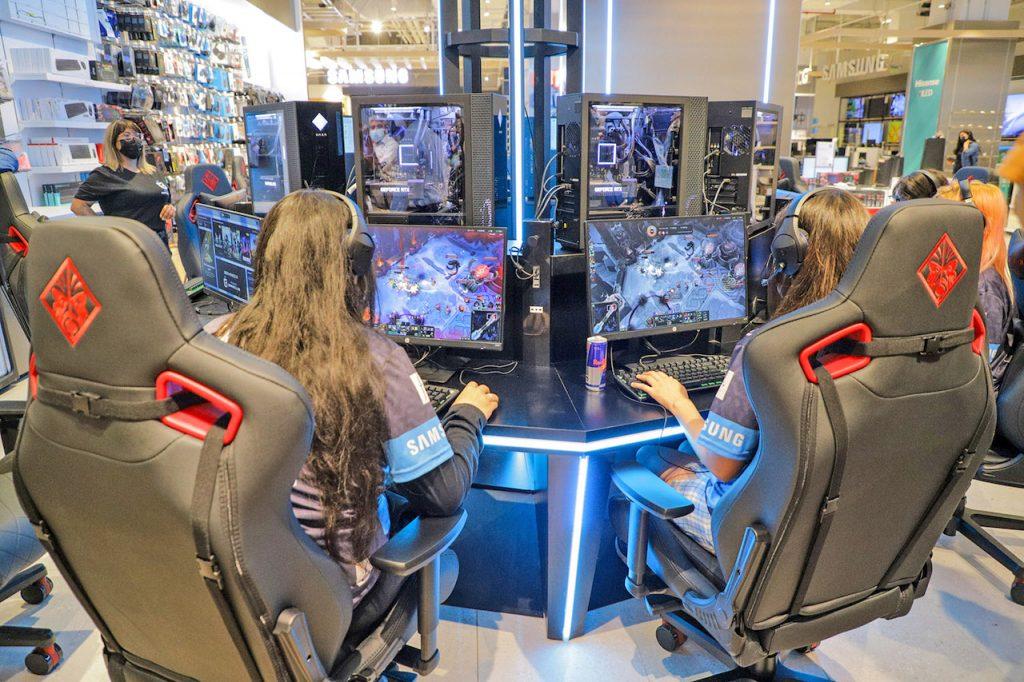
The Game retailer administration collapse represents more than a financial event—it reflects the ongoing transformation of the global gaming retail market. As consumer habits evolve, retailers must find new ways to remain competitive while balancing operating costs with changing demand.
Although the outcome of any administration depends on the decisions of appointed administrators and potential buyers, the gaming industry itself continues to grow. The challenge for traditional retailers is adapting to how people now discover, purchase, and play games.
What Could Happen Next?
Several outcomes are possible after a retailer enters administration. The exact result depends on investor interest, financial viability, and the administrator’s restructuring strategy.
1. Business Restructuring
If the business remains viable, administrators may recommend restructuring.
Possible measures include:
- Closing underperforming stores
- Renegotiating commercial leases
- Reducing operational expenses
- Investing in e-commerce
- Improving inventory management
- Expanding click-and-collect services
A successful restructuring could allow parts of the business to continue operating.
2. Acquisition by Another Company
A financially stronger retailer or investment group may acquire:
- The brand
- Store locations
- Intellectual property
- Online platforms
- Customer databases (subject to applicable privacy laws)
- Inventory
Acquisitions often preserve valuable assets while giving the business a fresh start.
3. Partial Store Closures
Rather than shutting down entirely, some retailers choose to operate fewer but more profitable locations.
This strategy may help reduce:
- Rent expenses
- Utility costs
- Staffing costs
- Inventory overhead
4. Greater Focus on Online Sales
Many successful retailers now combine physical stores with strong digital platforms.
Future investment may include:
- Faster shipping
- Improved mobile shopping
- Online-exclusive promotions
- Expanded product selection
- Personalized recommendations
What This Means for Gamers
For customers, the biggest lesson from the Game retailer administration collapse is the importance of staying informed through official updates.
If you have outstanding orders or retailer-specific services, keep:
- Order confirmations
- Payment receipts
- Warranty documents
- Gift card information
- Loyalty account details
Official announcements should always be your primary source of information regarding changes to store policies or services.
Best Practices for Retail Businesses
The challenges faced by traditional gaming retailers offer valuable lessons for the wider retail sector.
Build an Omnichannel Experience
Customers increasingly expect a seamless journey between online and in-store shopping.
Successful retailers often integrate:
- Online ordering
- In-store pickup
- Real-time inventory
- Mobile apps
- Digital customer support
Diversify Revenue Streams
Retailers that rely on a single product category may face greater financial risk.
Additional revenue opportunities can include:
- Gaming accessories
- Collectibles
- Merchandise
- Repair services
- Membership programs
- Gaming events
Invest in Customer Experience
Competitive pricing is important, but customer experience also plays a significant role.
Retailers can improve loyalty through:
- Knowledgeable staff
- Fast service
- Flexible returns
- Exclusive launches
- Community events

Expert Tips for Consumers During Retail Administration
If a retailer enters administration, consumers should:
✔ Save all purchase receipts.
✔ Keep digital order confirmations.
✔ Review official announcements before making new purchases.
✔ Understand the retailer’s updated return policy.
✔ Check warranty documentation carefully.
✔ Follow administrator updates for any changes to gift cards or loyalty programs.
Common Mistakes to Avoid
Many customers make assumptions when they hear the word “administration.”
Avoid these common mistakes:
- Assuming every store will close immediately.
- Ignoring official updates.
- Throwing away purchase receipts.
- Waiting too long to contact customer support.
- Relying on rumors circulating on social media.
Key Facts Summary
| Topic | Summary |
| Primary Issue | Financial difficulties leading to administration |
| Industry | Video game retail |
| Main Challenge | Rising costs and changing consumer behavior |
| Customer Advice | Follow official updates and retain purchase records |
| Employee Outlook | Depends on restructuring or sale |
| Future Possibilities | Rescue, acquisition, restructuring, or closure |
Frequently Asked Questions
What is the Game retailer administration collapse?
The Game retailer administration collapse refers to a game retailer entering administration because of significant financial difficulties. Administration is a legal process aimed at protecting the business while restructuring or sale options are explored.
Does administration mean the retailer has permanently closed?
No. Administration does not automatically mean permanent closure. Some businesses continue trading while administrators evaluate restructuring or potential buyers.
Will customer orders still be delivered?
It depends on the retailer’s circumstances and the administrator’s decisions. Customers should monitor official communications for updates regarding outstanding orders.
Are gift cards still valid?
Gift card policies may change during administration. Acceptance depends on the administrator’s guidance, so customers should check official announcements before attempting to redeem them.
What happens to employees?
Some employees continue working during administration, while others may be affected if stores close or the business is restructured. Outcomes vary by case.
Why are physical game retailers facing challenges?
Several long-term trends have increased pressure on physical retailers, including:
- Digital game downloads
- Online competition
- Higher operating costs
- Subscription gaming services
- Changing consumer spending habits
Can another company buy the retailer?
Yes. Administrators often seek buyers for all or part of the business if doing so provides a better outcome than liquidation.
How can customers protect themselves?
Keep receipts, order confirmations, warranty documents, and follow official announcements for any changes to returns, warranties, or loyalty programs.
Conclusion
The Game retailer administration collapse highlights the challenges facing traditional video game retailers in an increasingly digital marketplace. Rising operating costs, stronger online competition, and evolving consumer preferences have reshaped the retail landscape, making it essential for businesses to adapt through innovation and efficient operations.
At the same time, administration should not automatically be viewed as the end of a business. It is a legal process intended to explore rescue, restructuring, or sale opportunities that may preserve jobs, protect value for creditors, and allow parts of the company to continue operating.
For customers, employees, and suppliers, the best course of action is to rely on verified information from official sources rather than speculation. As administrators release further updates, the long-term outcome will become clearer, but the broader lesson remains the same: retailers that successfully combine physical stores with strong digital experiences are more likely to thrive in the evolving gaming industry.