


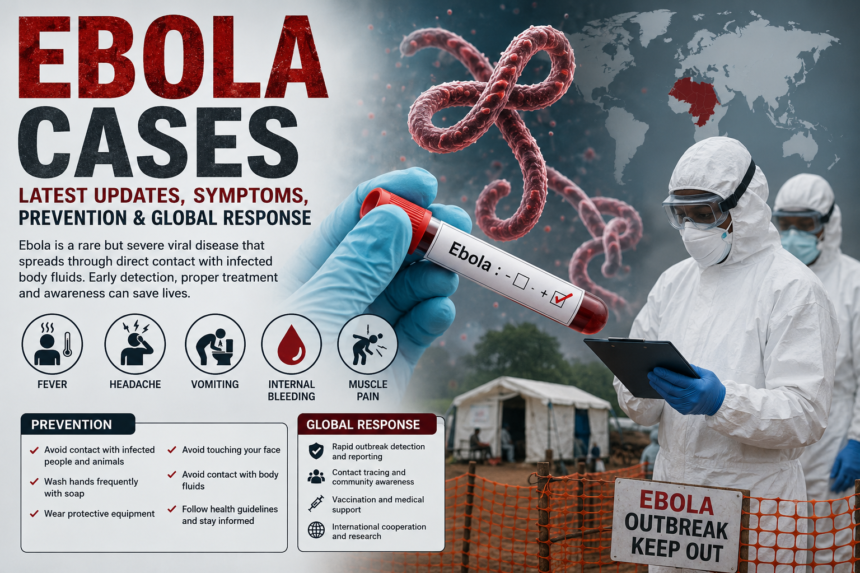
Ebola Cases: Everything You Need to Know
Ebola cases continue to attract global attention because the Ebola virus is one of the world’s deadliest infectious diseases. Although outbreaks are relatively rare, they can spread quickly if not identified and controlled in time. Health organizations closely monitor Ebola cases to reduce transmission, protect communities, and provide immediate medical care.
The Ebola virus was first identified in 1976 during simultaneous outbreaks in Central Africa. Since then, multiple outbreaks have occurred, primarily in African countries. Modern surveillance systems, improved healthcare practices, and vaccination campaigns have significantly reduced the impact of many outbreaks. However, Ebola remains a serious public health concern that requires international cooperation.
Understanding Ebola cases helps individuals recognize symptoms, learn preventive measures, and avoid misinformation. This guide explains everything you need to know about Ebola, from how it spreads to how healthcare professionals manage outbreaks.
What Is Ebola?
Ebola is a severe viral disease caused by viruses belonging to the Ebolavirus genus. The illness affects humans and some animals, including primates. It often begins with flu-like symptoms but can progress rapidly into a life-threatening condition if left untreated.
The virus damages blood vessels and weakens the body’s immune system. In severe cases, it can lead to internal bleeding, organ failure, and shock. Early diagnosis and supportive medical care greatly improve survival rates.
Understanding Ebola Cases
Ebola cases refer to confirmed or suspected infections identified by healthcare authorities. Every reported case is carefully investigated to determine where the infection originated, who may have been exposed, and how the virus can be contained.
Health officials classify Ebola cases into different categories, including:
| Case Type | Description |
| Suspected Case | Shows symptoms consistent with Ebola. |
| Probable Case | Meets clinical criteria with exposure history. |
| Confirmed Case | Laboratory testing confirms Ebola infection. |
Rapid identification allows medical teams to isolate patients, trace contacts, and prevent further transmission.
How Ebola Spreads
Unlike airborne illnesses, Ebola spreads through direct contact with infected body fluids. A person can become infected through contact with:
- Blood
- Saliva
- Sweat
- Vomit
- Urine
- Breast milk
- Semen
The virus can also spread through contaminated medical equipment or surfaces carrying infected body fluids.
People are generally not contagious before symptoms begin, making symptom monitoring an essential part of outbreak control.
Common Symptoms of Ebola
Symptoms usually appear 2 to 21 days after exposure.
Early symptoms include:
- Fever
- Severe headache
- Muscle pain
- Fatigue
- Weakness
- Sore throat
As the disease progresses, patients may experience:
- Vomiting
- Diarrhea
- Stomach pain
- Skin rash
- Red eyes
- Internal bleeding
- External bleeding in severe cases
Because these symptoms resemble other illnesses such as malaria or typhoid fever, laboratory testing is necessary for confirmation.
Causes of Ebola Outbreaks
Most Ebola outbreaks begin after the virus spreads from infected animals to humans. Scientists believe fruit bats are the natural reservoir of the virus. Human infections may occur after contact with infected wildlife, including bats or non-human primates.
Once a person becomes infected, the virus spreads through close personal contact and caregiving without proper protective equipment.
Weak healthcare systems, delayed diagnosis, and limited access to protective supplies can contribute to larger outbreaks.
Diagnosis of Ebola Cases
Doctors use specialized laboratory tests to confirm Ebola infection. Common diagnostic methods include:
- PCR (Polymerase Chain Reaction) testing
- Antigen detection tests
- Antibody testing
- Virus isolation in specialized laboratories
Patients suspected of having Ebola are immediately isolated while awaiting test results to reduce the risk of transmission.
Treatment for Ebola
There is no simple cure for Ebola, but medical care has improved significantly over the years.
Treatment focuses on:
- Intravenous fluids
- Electrolyte replacement
- Oxygen support
- Blood pressure management
- Treating secondary infections
- Pain and fever control
Some approved antibody-based therapies have shown positive results in improving survival when given early.
Early hospitalization remains one of the most important factors in recovery.
Preventing Ebola Cases
Preventing Ebola requires both community awareness and strong public health measures.
Key prevention strategies include:
- Avoid contact with infected body fluids.
- Wash hands frequently.
- Wear protective equipment in healthcare settings.
- Avoid handling sick or dead wildlife.
- Practice safe burial procedures.
- Follow travel advisories during outbreaks.
- Cooperate with contact tracing programs.
Vaccination has also become an important tool in controlling outbreaks in high-risk regions.
Global Response to Ebola
International organizations, governments, and healthcare agencies work together whenever Ebola outbreaks occur.
Their efforts include:
- Rapid deployment of healthcare workers
- Mobile testing laboratories
- Community education campaigns
- Vaccination programs
- Contact tracing
- Border health screening
- Medical supply distribution
These coordinated efforts have helped reduce the size and duration of recent outbreaks.
Frequently Asked Questions
Is Ebola airborne?
No. Ebola is not considered an airborne disease. It spreads through direct contact with infected body fluids.
Can Ebola be cured?
There is no simple cure, but supportive treatment and newer antibody therapies have improved survival rates.
Is there a vaccine for Ebola?
Yes. Vaccines have been developed and are used during outbreaks to protect people at high risk.
How long is the incubation period?
Symptoms usually appear between 2 and 21 days after exposure.
Which countries report Ebola cases most often?
Most outbreaks have occurred in Central and West African countries, where public health agencies closely monitor new cases.
Conclusion
Ebola cases remain an important global health concern despite significant advances in prevention, diagnosis, and treatment. Early detection, rapid medical care, vaccination, and community awareness play a critical role in controlling outbreaks and reducing deaths. Understanding how Ebola spreads and following public health guidance can help protect individuals and communities. Continued international cooperation, research, and healthcare investment remain essential to preventing future outbreaks and improving global preparedness against this serious disease.