


Introduction
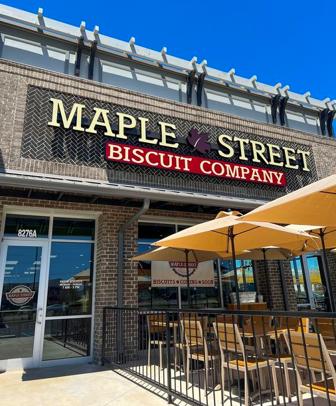
If you’ve recently searched “Maple Street Biscuit Company sold to whom?”, you’re likely trying to understand the major ownership changes that affected one of America’s best-known Southern breakfast chains.
The short answer is this:
Maple Street Biscuit Company was sold by Cracker Barrel Old Country Store to the private-equity firm Butterfly Equity in 2026 as part of a broader strategy to streamline Cracker Barrel’s business. At the same time, several underperforming Maple Street locations were closed, while some franchised restaurants—such as locations in Northern Kentucky—were separately acquired by regional operators and converted into other restaurant brands.
These developments created confusion because multiple transactions happened within a short period. Some news reports discussed Cracker Barrel’s corporate sale, while others focused on individual franchise locations changing ownership.
This guide explains everything in plain language, including:
- Who bought Maple Street Biscuit Company
- Why Cracker Barrel decided to sell
- What Butterfly Equity plans to do
- Why some restaurants closed
- Which locations changed to Biscuit Belly
- What customers can expect next
- How the sale could affect employees, menu items, and future expansion
Quick Answer: Maple Street Biscuit Company Sold to Whom?
| Question | Answer |
| Who owned Maple Street before 2026? | Cracker Barrel Old Country Store |
| Who bought Maple Street Biscuit Company? | Butterfly Equity |
| When was the sale announced? | 2026 |
| Did every location close? | No. Many locations remain open. |
| Were some restaurants sold separately? | Yes. Some franchise locations were purchased by regional operators and converted into different brands. |
Maple Street Biscuit Company at a Glance
Before discussing the sale, it helps to understand why Maple Street Biscuit Company became such a well-known breakfast brand.
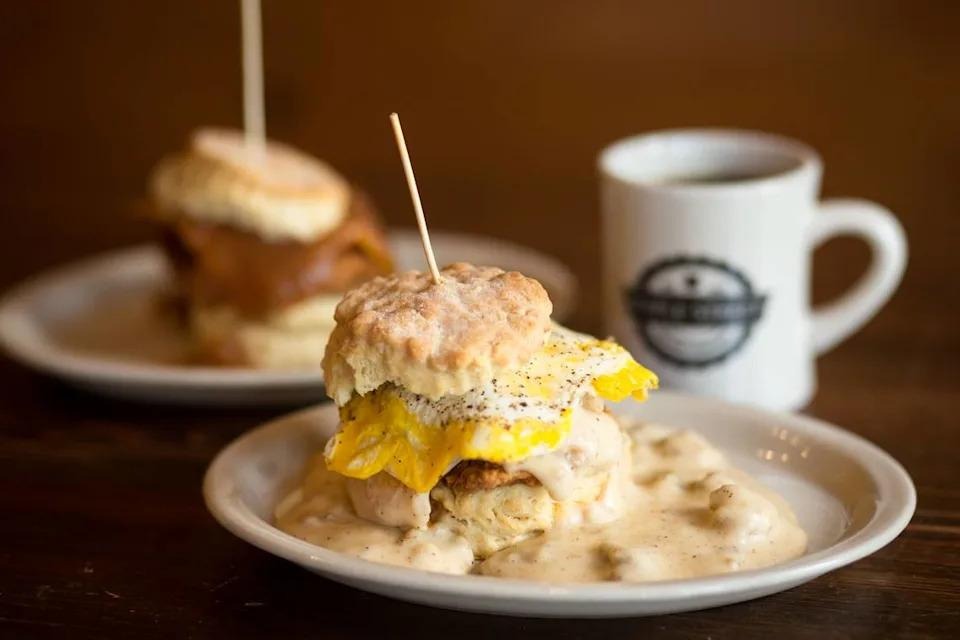
Founded in Jacksonville, Florida, Maple Street Biscuit Company built its reputation around handcrafted Southern comfort food served in a fast-casual setting. Rather than competing directly with traditional breakfast chains, it focused on freshly baked biscuits, fried chicken, house-made gravies, seasonal ingredients, and a welcoming neighborhood atmosphere.
Popular menu favorites included:
- Chicken biscuits
- Biscuit sandwiches
- Biscuits and gravy
- Hash brown bowls
- Fresh coffee
- Seasonal breakfast specials
Its combination of comfort food and community-focused service helped the brand expand across multiple states.
How Maple Street Biscuit Company Became Part of Cracker Barrel
The story began years before the 2026 sale.
Cracker Barrel acquired Maple Street Biscuit Company to strengthen its position in the breakfast market and reach younger consumers looking for fast-casual dining experiences.
Unlike traditional Cracker Barrel restaurants, Maple Street locations offered:
- Faster service
- Smaller restaurant footprints
- Urban and suburban locations
- Modern interiors
- Breakfast-focused menus
The acquisition allowed Cracker Barrel to diversify beyond its highway-based restaurants and experiment with a different dining format.
For several years, Maple Street continued operating under its own brand while benefiting from the resources of its parent company.
Why Did Cracker Barrel Sell Maple Street Biscuit Company?
The biggest question surrounding the transaction is why Cracker Barrel chose to sell a growing breakfast concept.
Several business factors likely influenced the decision.
1. Corporate Restructuring
Large restaurant companies regularly evaluate their brand portfolios.
Rather than operating multiple restaurant concepts, companies often choose to focus investment on their strongest core business.
Selling Maple Street enabled Cracker Barrel to simplify operations and concentrate resources on its flagship restaurants.
2. Improving Financial Performance
Restaurant operators continue to face higher costs for:
- Labor
- Food ingredients
- Rent
- Utilities
- Supply chains
Divesting a smaller brand can provide additional financial flexibility and allow management to prioritize investments with the greatest long-term impact.
3. Different Growth Strategies
Maple Street Biscuit Company and Cracker Barrel target different customer experiences.
While both emphasize Southern-inspired food, their operating models differ significantly.
Butterfly Equity specializes in growing food businesses, making Maple Street a more natural fit within its investment portfolio.
Who Bought Maple Street Biscuit Company?
The buyer was Butterfly Equity, a private investment firm focused on the food industry.
Butterfly Equity has built a reputation for investing in food production, agriculture, restaurants, and consumer food brands.
Rather than simply purchasing companies for short-term gains, the firm often works to expand operations, improve efficiency, and support long-term growth.
Its experience in food-related businesses made Maple Street Biscuit Company a logical acquisition.
For customers, this means the restaurant brand continues under new ownership instead of disappearing altogether.

Why Butterfly Equity Was Interested
Several characteristics made Maple Street an attractive acquisition.
Strong Brand Recognition
Over the years, Maple Street developed a loyal customer base thanks to its distinctive Southern breakfast offerings and neighborhood-focused dining experience.
Breakfast Market Growth
Breakfast remains one of the fastest-growing segments in the restaurant industry.
Consumers increasingly seek premium breakfast options beyond traditional fast-food chains, creating opportunities for brands with differentiated menus.
Expansion Potential
Compared with many national restaurant chains, Maple Street still has room to expand into new metropolitan areas and underserved markets.
A private-equity owner may view this as an opportunity for future growth through new locations, operational improvements, or selective franchising.
Ownership Timeline: From Local Favorite to National Brand
Understanding the ownership timeline helps explain why people are asking “Maple Street Biscuit Company sold to whom?” The brand has changed hands more than once, and the latest sale occurred alongside restaurant closures and franchise changes.
| Year | Major Event | Why It Matters |
| 2012 | Maple Street Biscuit Company founded in Jacksonville, Florida | Introduced a fast-casual Southern breakfast concept. |
| 2010s | Expanded across multiple U.S. states | Built a loyal customer base and attracted investors. |
| 2019 | Cracker Barrel acquired Maple Street Biscuit Company | Expanded Cracker Barrel’s presence in the fast-casual breakfast market. |
| 2026 | Cracker Barrel sold Maple Street Biscuit Company to Butterfly Equity | Ownership changed as part of Cracker Barrel’s restructuring strategy. |
| 2026 | Selected restaurants closed or changed ownership | Some franchise locations became other restaurant brands, while many Maple Street locations remained open. |
This timeline shows that the 2026 announcement was not the beginning of Maple Street’s story—it was simply the latest chapter in the company’s evolution.
Why Were 16 Maple Street Biscuit Company Locations Closed?
One of the biggest misconceptions online is that all Maple Street Biscuit Company restaurants closed after the sale.
That is not true.
Instead, the company announced the closure of 16 underperforming locations as part of a broader restructuring effort. These closures were intended to improve the overall health of the business rather than signal the end of the brand.
Businesses often evaluate factors such as:
- Sales performance
- Customer traffic
- Lease costs
- Operating expenses
- Market competition
- Long-term profitability
When a restaurant consistently underperforms despite improvement efforts, closing that location may allow the company to invest more effectively in stronger markets.
For customers, this means the closures affected only a portion of the overall restaurant network.
Did Every Maple Street Biscuit Company Restaurant Close?
The simple answer is no.
Many Maple Street Biscuit Company restaurants continue serving customers under the same brand.
The confusion largely comes from three separate events happening around the same time:
- Cracker Barrel sold the Maple Street brand.
- Sixteen locations were permanently closed.
- Some franchise restaurants were purchased by new owners and converted into different concepts.
These events received significant media attention, leading many people to believe the entire chain had shut down, which is incorrect.
Why Did Some Restaurants Become Biscuit Belly?
One of the most talked-about changes involved restaurants in Northern Kentucky.
Rather than remaining Maple Street Biscuit Company locations, certain franchised restaurants were acquired by regional operators and converted into Biscuit Belly, another Southern breakfast brand.
This was not part of Butterfly Equity’s nationwide ownership strategy.
Instead, it was a separate transaction involving individual franchise locations.
That distinction is important because franchise operators often have flexibility to sell or transfer their businesses independently, depending on their agreements.
As a result:
- Some restaurants stayed on Maple Street.
- Some are permanently closed.
- Some reopened under an entirely different brand.
Corporate-Owned vs. Franchise Locations
Many customers don’t realize that restaurant chains often operate under two different ownership models.
| Corporate-Owned Restaurant | Franchise Restaurant |
| Operated directly by the parent company | Operated by an independent business owner |
| Corporate controls daily operations | Franchise owner manages day-to-day business |
| Major decisions come from headquarters | Local owner follows franchise standards |
| Profits go directly to the parent company | Franchise owner shares revenue through franchise agreements |
This difference explains why ownership changes can affect locations differently.
Corporate-owned restaurants generally follow decisions made by the parent company, while franchise locations may experience ownership transfers or brand conversions depending on local circumstances.
How the Sale May Affect Customers
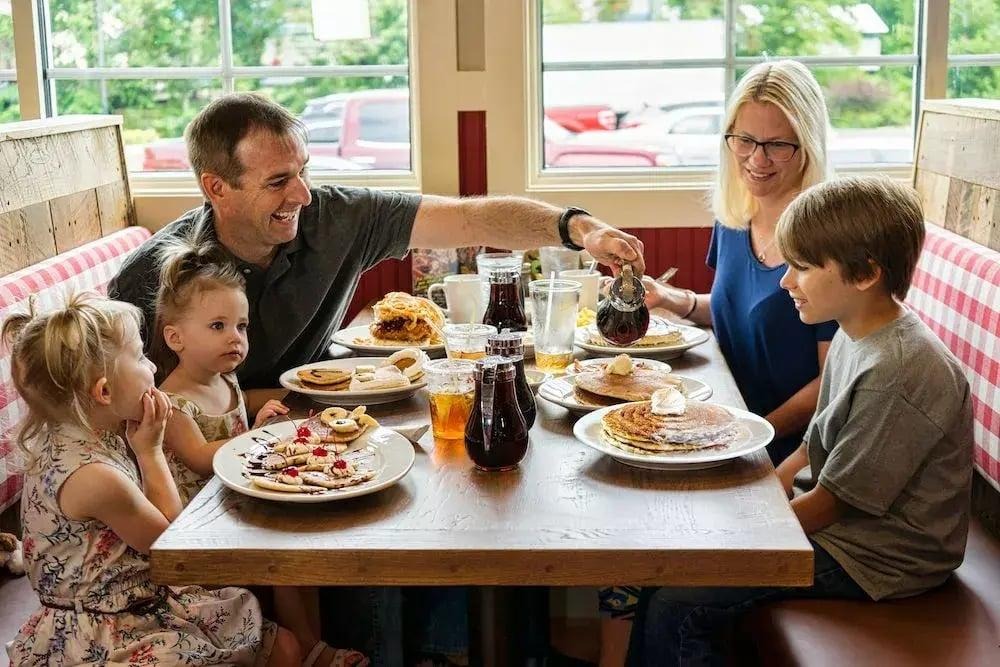
For most guests, everyday dining experiences are expected to remain familiar in the near term.
Customers can generally expect:
- Signature biscuit recipes to remain available.
- Continued focus on Southern-inspired breakfast dishes.
- Existing loyalty among regular guests to be maintained.
- Ongoing operation of many established locations.
Over time, however, new ownership could introduce changes such as:
- Updated restaurant designs.
- New seasonal menu items.
- Technology improvements for online ordering.
- Expansion into additional markets.
- Operational enhancements to improve service speed.
Any significant brand changes would likely be introduced gradually rather than all at once.
What Happens When a Restaurant Chain Is Sold?
Restaurant acquisitions are common in the food industry and do not automatically mean customers will notice immediate changes.
Typically, a new owner reviews nearly every aspect of the business, including:
Restaurant Operations
Management evaluates staffing, training programs, kitchen efficiency, and customer service standards to identify areas for improvement.
Menu Performance
Best-selling items often remain, while lower-performing dishes may be updated or removed to simplify operations.
Expansion Opportunities
New owners frequently assess where additional restaurants could succeed based on demographics, competition, and market demand.
Brand Identity
Successful restaurant brands usually preserve the features customers already love while modernizing marketing, technology, and operations where appropriate.
Expert Insight: Why Private Equity Firms Buy Restaurant Brands
Private equity firms often invest in restaurant companies that already have strong customer recognition but still have room to grow.
They typically look for businesses with:
- A recognizable brand.
- Loyal repeat customers.
- Opportunities to expand into new regions.
- Efficient operating models.
- Strong long-term growth potential.
For Maple Street Biscuit Company, its established reputation in the Southern breakfast segment likely made it an attractive investment.
Instead of creating a new restaurant concept from scratch, acquiring an existing brand allows investors to build on an already successful foundation.
What Could Butterfly Equity Do Next?
When a private investment firm acquires a restaurant chain, customers often wonder whether major changes are coming. While Butterfly Equity has not publicly outlined every future plan for Maple Street Biscuit Company, businesses in similar situations typically focus on strengthening operations before expanding.
Because no detailed long-term roadmap has been publicly confirmed, the following possibilities are based on common industry practices rather than official announcements.
1. Strengthen High-Performing Restaurants
Instead of opening dozens of new locations immediately, the company may first invest in restaurants that already perform well by:
- Improving kitchen efficiency
- Updating restaurant interiors
- Enhancing digital ordering systems
- Increasing local marketing efforts
- Refining staff training programs
This approach helps create a stronger foundation for future growth.
2. Expand Selectively
Maple Street Biscuit Company has built a loyal following in several states, but there are still many U.S. markets where the brand has little or no presence.
If expansion continues, new locations would likely be chosen based on:
- Population growth
- Household income
- Breakfast dining trends
- Competition from other fast-casual restaurants
- Real estate availability
Rather than expanding rapidly, many restaurant operators now prefer sustainable, data-driven growth.
3. Continue Menu Innovation
One reason customers return to Maple Street is its unique take on Southern comfort food.
Future menu updates could include:
- Limited-time seasonal biscuits
- New breakfast bowls
- Regional menu specials
- Expanded beverage options
- Health-conscious breakfast choices
However, the restaurant’s signature biscuit sandwiches and Southern-inspired recipes are central to its identity, making major menu overhauls less likely.
How Could the Sale Affect Employees?
Restaurant acquisitions naturally raise questions about employees.
In most acquisitions, ownership changes do not automatically mean widespread job losses.
Instead, companies often aim to retain experienced employees because they already understand:
- Restaurant operations
- Food preparation standards
- Customer service expectations
- Local customer preferences
That said, employees at locations scheduled for closure may experience different outcomes, including transfers to nearby restaurants where possible or separation if no suitable positions are available.
What Does the Sale Mean for Franchise Owners?
Franchise owners generally focus on one key question:
Will day-to-day operations change?
In many cases, franchisees continue operating under existing agreements while adapting to any updated policies introduced by the new owner.
Potential areas of change may include:
- Marketing support
- Technology platforms
- Supplier relationships
- Training programs
- Brand standards
Unless officially announced, however, any specific changes remain uncertain.
Comparing Maple Street’s Sale With Other Restaurant Acquisitions
Restaurant ownership changes happen regularly across the industry.
Here’s how Maple Street’s transition compares with similar acquisitions.
| Factor | Maple Street Biscuit Company | Typical Restaurant Acquisition |
| Brand continues operating | Yes | Usually |
| New ownership | Yes | Yes |
| Some location closures | Yes | Often |
| Menu immediately replaced | No | Rare |
| Existing employees retained | Often | Common |
| Future expansion possible | Yes | Common |
This comparison shows that Maple Street’s transition follows a familiar pattern seen across the restaurant industry.
Common Myths About the Sale
Ownership changes often lead to confusion online. Here are some common myths and the facts behind them.
Myth 1: Maple Street Biscuit Company Went Out of Business
Fact: The company was sold to a new owner. Many locations continue to operate.
Myth 2: Every Restaurant Closed
Fact: Only selected underperforming restaurants closed. Most locations remain open.
Myth 3: Every Maple Street Became Biscuit Belly
Fact: Only certain franchise locations were converted. Most restaurants did not change brands.
Myth 4: The Menu Is Completely Different
Fact: There has been no public announcement indicating a complete replacement of the core menu.
Myth 5: The Sale Means the Brand Failed
Fact: Companies buy and sell restaurant brands for many strategic reasons. A sale does not necessarily indicate business failure.
What Customers Should Watch Going Forward
As the transition continues, customers may notice updates over time.
Possible developments include:
- New restaurant openings
- Refreshed branding
- Technology improvements
- Digital ordering enhancements
- New loyalty programs
- Seasonal menu additions
- Remodeling of existing restaurants
Any significant nationwide changes are likely to occur gradually rather than immediately.
Expert Tips for Customers
If you’re a regular Maple Street Biscuit Company customer, these tips can help you stay informed.
Check Your Local Restaurant
Individual locations may have different operating hours or ownership structures.
Follow Official Announcements
Company news is the most reliable source for updates about menus, promotions, and future openings.
Verify Before Visiting
If you’ve heard a location closed, confirm directly with that restaurant before making travel plans.
Expect Gradual Changes
Most restaurant acquisitions involve a transition period. Immediate changes are typically limited while new ownership evaluates operations.
Customer Impact: What the Sale Means for Diners
For most customers, the ownership change is expected to have little immediate impact on the dining experience. If your local Maple Street Biscuit Company remains open, you can generally expect the same Southern-inspired atmosphere and many of the signature menu items that made the chain popular.
Possible long-term changes under the new ownership may include:
- Refreshed restaurant interiors
- Improved online ordering and mobile services
- Expanded loyalty or rewards programs
- Seasonal menu additions
- Selective expansion into new markets
Because Butterfly Equity specializes in food-related businesses, many industry observers expect the company to focus on strengthening the brand rather than completely changing its identity.
Maple Street Biscuit Company Before vs. After the Sale
| Feature | Before the Sale | After the Sale |
| Parent Company | Cracker Barrel | Butterfly Equity |
| Restaurant Brand | Maple Street Biscuit Company | Maple Street Biscuit Company |
| Core Menu | Southern breakfast favorites | Expected to remain largely the same |
| Operations | Managed under Cracker Barrel | Managed under new ownership |
| Expansion Strategy | Part of Cracker Barrel’s portfolio | May focus on long-term growth |
| Customer Experience | Fast-casual Southern breakfast | Expected to continue with gradual improvements |
Pros and Cons of the Acquisition
Advantages
- New investment for future growth
- Opportunity to modernize operations
- Potential expansion into additional markets
- Continued focus on a popular breakfast concept
- Stronger operational support under a food-focused investment firm
Challenges
- Restaurant closures affected some communities
- Customers may experience temporary uncertainty during the transition
- Future operational changes could vary by location
- Some franchise restaurants may operate differently than corporate-owned locations
Common Mistakes People Make When Reading the News
Many online discussions have mixed together different events, creating confusion about what actually happened.
Avoid these common misunderstandings:
❌ Assuming every Maple Street location closed.
✔ Reality: Only selected restaurants closed.
❌ Believing every restaurant became Biscuit Belly.
✔ Reality: Only certain independently owned franchise locations changed brands.
❌ Thinking Cracker Barrel still owns Maple Street.
✔ Reality: Ownership transferred to Butterfly Equity in 2026.
❌ Assuming the menu disappeared overnight.
✔ Reality: The core brand continues operating, and no complete menu replacement has been announced.
Frequently Asked Questions (FAQs)
1. Maple Street Biscuit Company sold to whom?
Maple Street Biscuit Company was sold by Cracker Barrel Old Country Store to Butterfly Equity in 2026. The acquisition transferred ownership of the breakfast chain to the food-focused private investment firm.
2. Why did Cracker Barrel sell Maple Street Biscuit Company?
Cracker Barrel sold Maple Street Biscuit Company as part of its strategy to streamline its business and focus on its core restaurant operations. The sale also allows Maple Street to continue growing under an owner specializing in food and hospitality investments.
3. Did Maple Street Biscuit Company go out of business?
No. Maple Street Biscuit Company has not gone out of business. While 16 underperforming locations were closed, many restaurants remain open and continue serving customers under the Maple Street brand.
4. Who owns Maple Street Biscuit Company now?
As of 2026, Butterfly Equity is the owner of Maple Street Biscuit Company after purchasing the chain from Cracker Barrel.
5. Why did some Maple Street locations become Biscuit Belly?
Some franchise-operated Maple Street restaurants in Northern Kentucky were independently sold to local operators and converted into Biscuit Belly locations. This was separate from Cracker Barrel’s sale of the overall Maple Street brand.
6. Will Maple Street Biscuit Company’s menu change?
No major menu overhaul has been announced. Customers can still expect many of the restaurant’s signature Southern breakfast favorites, although future seasonal additions or menu updates are possible under the new ownership.
7. Will Maple Street Biscuit Company open new locations?
While no large-scale expansion plan has been officially confirmed, industry experts believe Butterfly Equity may invest in selective growth and new restaurant openings over time.
8. What does the sale mean for customers?
For most customers, very little changes immediately. Existing locations that remain open are expected to continue operating, while future improvements may include updated restaurants, enhanced digital ordering, and expanded customer services.
Conclusion
The answer to “Maple Street Biscuit Company sold to whom?” is straightforward: Cracker Barrel sold Maple Street Biscuit Company to Butterfly Equity in 2026 as part of its broader business strategy. Although the announcement was accompanied by the closure of 16 underperforming locations and the independent conversion of a few franchise restaurants into Biscuit Belly locations, these events should not be confused with the future of the overall brand.
Today, Maple Street Biscuit Company continues to operate in many markets, serving the Southern-inspired breakfast dishes that built its loyal customer base. Under Butterfly Equity’s ownership, the company has the opportunity to strengthen operations, invest in technology, and pursue thoughtful expansion while preserving the brand’s unique identity.
If you’re a customer, the best approach is to check the status of your local restaurant and follow official company updates for the latest information. For anyone researching the ownership change, it’s important to distinguish between the corporate acquisition, individual franchise sales, and restaurant closures, as each represents a different part of Maple Street Biscuit Company’s evolving story.